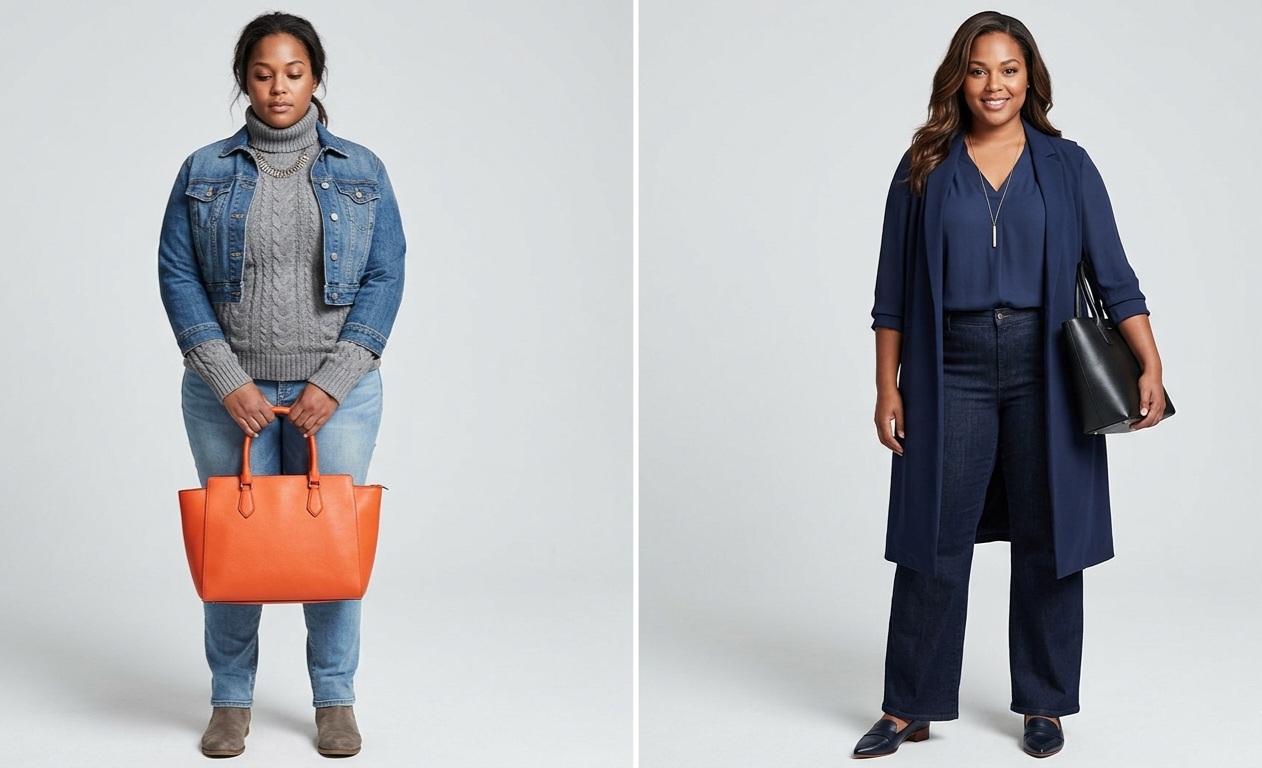
APPLE BODY TYPE: WHAT TO WEAR, HOW TO DRESS & COMPLETE GLOW-UP GUIDE FOR WOMEN
How to Dress an Apple Body Type When Clothes Do Not Feel Right Yet
Most women do not struggle with style because they lack taste. They struggle because no one ever showed them how to dress for their body type in a way that truly makes sense.
If you have an apple body type, you may have noticed this pattern. Some clothes feel uncomfortable around your midsection while fitting well elsewhere, dresses do not sit the way you expected, and outfits do not reflect how you want to feel.
If your clothes do not feel right on your body, it is not your body that needs to change. It is the way your clothes are working with it.
Many women search for answers like how to dress an apple body type, what to wear for an apple body shape, or why clothes feel tight around the stomach, but rarely find guidance that explains it in a clear and practical way.
I have met women who owned beautiful clothes, expensive pieces, and carefully chosen outfits, yet something always felt slightly off. The fit was right. The color was right. The effort was there. But the overall look did not reflect how they wanted to feel.
You are not doing anything wrong. You were simply never shown what actually works for your body.
The truth is simple, but rarely explained properly.
It is not about having more clothes. It is about understanding what to wear for your apple body type so your outfits finally start to make sense.
Your body shape is not something to fix or hide. It is a structure. And when you understand how to style an apple body type using the right silhouettes, fabrics, and proportions, everything begins to fall into place naturally.
For many women, the concern is not the outfit itself, but how it feels while wearing it. When clothes create tension or do not sit comfortably, it affects confidence. When outfits are chosen to work with your body, they create ease, balance, and flow.
Small changes in how you choose and wear your clothes can completely transform how you feel in them.
One small shift in where a belt sits, the shape of a neckline, or the fall of a fabric can completely change how the same outfit looks on the same body.
This is why understanding outfits for an apple body type is not about rules, but about awareness. Knowing what works, what feels right, and what supports your natural shape.
This space is created to give you that clarity, whether you are trying to understand what dresses suit an apple body type, how to choose better outfits, or why your clothes do not always fit the way you expect.
Here, you will learn exactly what to wear for an apple body type, from everyday outfits to pieces that feel comfortable, balanced, and naturally flattering.
When your clothes start working with your body, everything changes. Not just how you look, but how you feel within yourself.
Because when your outfit works with your body instead of against it, you stop adjusting yourself throughout the day. You feel more comfortable, more confident, and more at ease.
It does not change your body. It helps you feel at home in it.
This is not about perfection. It is about understanding your body and dressing it with intention.
And once you understand that, styling stops being confusing and starts becoming effortless.
Understanding the Apple Body
The apple body shape is characterized by a fuller midsection with a less defined waist, broader shoulders relative to the hips, and generally slimmer legs. Bust and upper torso often carry more weight, while the lower body may be proportionally smaller. Scientifically, this body type is influenced by fat distribution patterns where visceral fat accumulates around the abdomen, sometimes due to higher cortisol levels, genetics, or metabolic tendencies. Despite the fuller midsection, apple-shaped individuals often have strong, athletic legs and toned arms. Understanding the apple body is crucial for styling because the goal is not to hide the body but to balance proportions, elongate the torso, and draw attention to the lower body and neckline, creating a flattering, streamlined appearance.
Strengths of the Apple Body
Apple bodies have naturally strong upper bodies and toned legs, which can carry bold, structured clothing with ease. This shape often projects confidence and authority when styled correctly because broader shoulders and a fuller bust can create a striking silhouette. The long, straight lines of the torso allow layering techniques, jackets, and flowing tops to work effectively without awkward bunching. Legs can be highlighted beautifully with tailored trousers, skirts, and fitted pants. Additionally, apple-shaped individuals often carry a presence that combines power and femininity, making the shape versatile for both professional and casual fashion aesthetics.
Challenges of the Apple Body
The primary challenge is the fuller midsection, which can make waist definition less apparent. Boxy tops, tight waistbands, or low-rise bottoms can accentuate the stomach area or create unflattering bulges. Improperly fitted clothing can make the torso appear wider or shorter, and heavy fabrics or straight silhouettes can flatten the natural shape. Apple bodies may also feel limited when trying to wear clothing designed for hourglass or rectangle shapes because these garments often assume a defined waistline. Understanding these challenges allows styling that emphasizes neckline, shoulders, arms, and legs, while minimizing visual weight in the midsection.
What to Accentuate
Focus on elongating the torso, highlighting slim legs, and drawing attention to the bust and collarbone. Necklines that open the upper body, structured jackets that streamline the shoulders, and flowing tops that skim the midsection all enhance the apple silhouette. Legs are a natural asset, so tailored trousers, slim skirts, and high-waisted pants draw attention downward. Accessories like statement earrings, necklaces, bracelets, belts, scarves, handbags, and shoes can also divert focus from the waist and create a balanced visual hierarchy.
What NOT to Accentuate
Avoid tight, clingy fabrics around the stomach, low-rise waistbands, and boxy tops that emphasize midsection width. Heavy belts that sit at the waist can create visual breaks in the torso. Straight, shapeless dresses or tops without structure can exaggerate the natural fullness of the midsection. Anything that compresses, flattens, or draws the eye to the stomach should be avoided.
TOPS FOR THE APPLE BODY
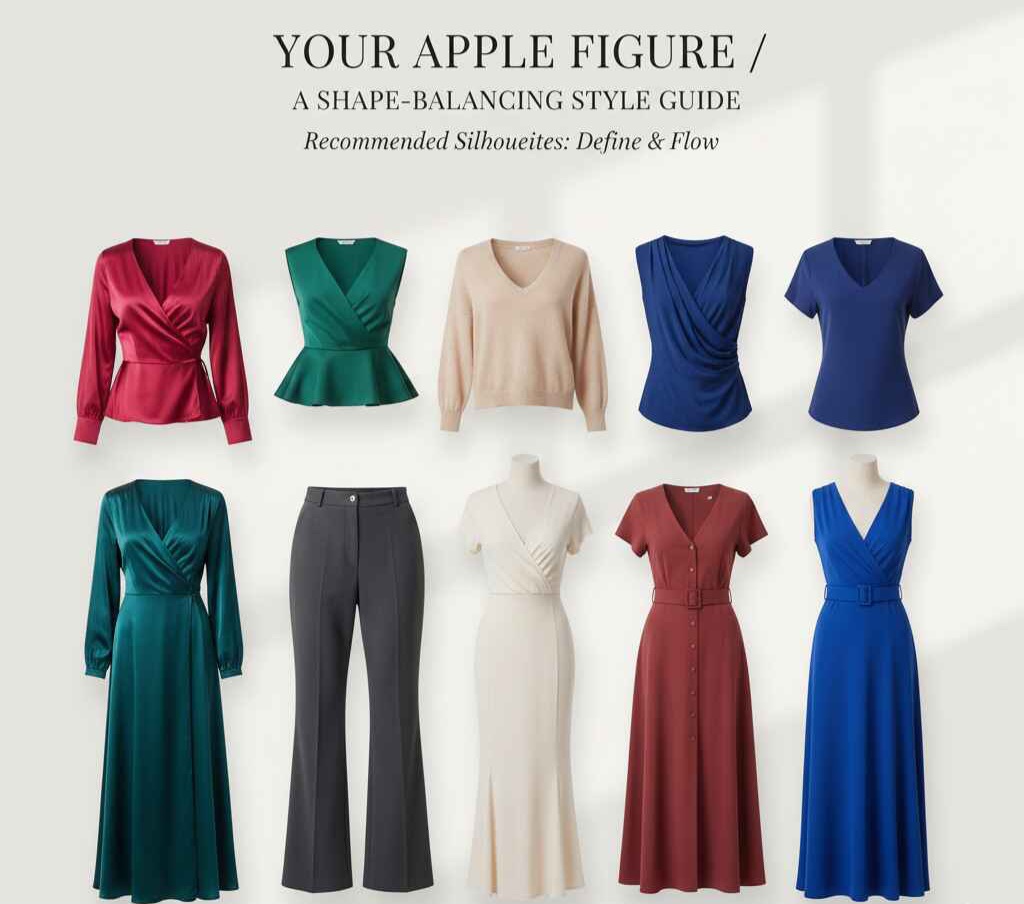
Tops to Wear: V-necks, scoop necks, and asymmetrical necklines elongate the neck and torso, drawing attention upward. Tunics, A-line tops, wrap tops, and empire-waist blouses skim the stomach and create a soft flow. Structured blazers with shoulder emphasis, vertical seams, or open-front styling create length and balance the upper body. Fabrics that drape rather than cling, such as silk blends or lightweight knits, add elegance and smooth lines over the midsection. Flowy sleeves or dolman cuts can soften the shoulders without adding bulk.
Tops NOT to Wear: Tight, clingy T-shirts, boat necks that widen the shoulders excessively, high-neck tops that compress the chest, and short crop tops that cut across the midsection are unflattering. Boxy, shapeless blouses or heavy layered tops add volume and emphasize the stomach area. Avoid stiff, straight-cut fabrics that flatten the torso and create horizontal bulk.
BOTTOMS FOR THE APPLE BODY
Bottoms to Wear: Slim, tailored pants, straight or slightly flared trousers, and pencil skirts elongate the legs and balance the broader upper body. High-waisted bottoms create an illusion of waistline by lifting the torso visually. A-line skirts, wrap skirts, and structured shorts add softness and proportion without emphasizing the midsection. Darker colors on the lower body paired with lighter tops create a vertical line that enhances balance.
Bottoms NOT to Wear: Low-rise pants, saggy trousers, pleated or baggy styles, and bottoms with bulky pockets at the hip or waist can make the midsection appear heavier. Stiff fabrics that do not drape can exaggerate lines, and leggings without a higher waistband may create awkward compression around the stomach. Avoid anything that emphasizes bulk at the midsection.
DRESSES FOR THE APPLE BODY
Dresses to Wear: Empire-waist dresses, wrap dresses, and A-line dresses gently skim the midsection and highlight the bust and legs. Dresses with vertical paneling, ruching, or diagonal cuts create visual movement, elongating the torso. V-neck or sweetheart necklines draw attention upward, emphasizing the collarbone and shoulders. Fit-and-flare styles or dresses with light gathering below the bust visually define shape without clinging to the midsection.
Dresses NOT to Wear: Shift dresses, straight-cut sheath dresses, and drop-waist styles tend to flatten and exaggerate the torso. Bodycon dresses without stretch or paneling cling to the midsection, highlighting fullness. Heavy, stiff fabrics or layered dresses with no tapering can add bulk and shorten the appearance of the torso.
INNERWEAR FOR THE APPLE BODY
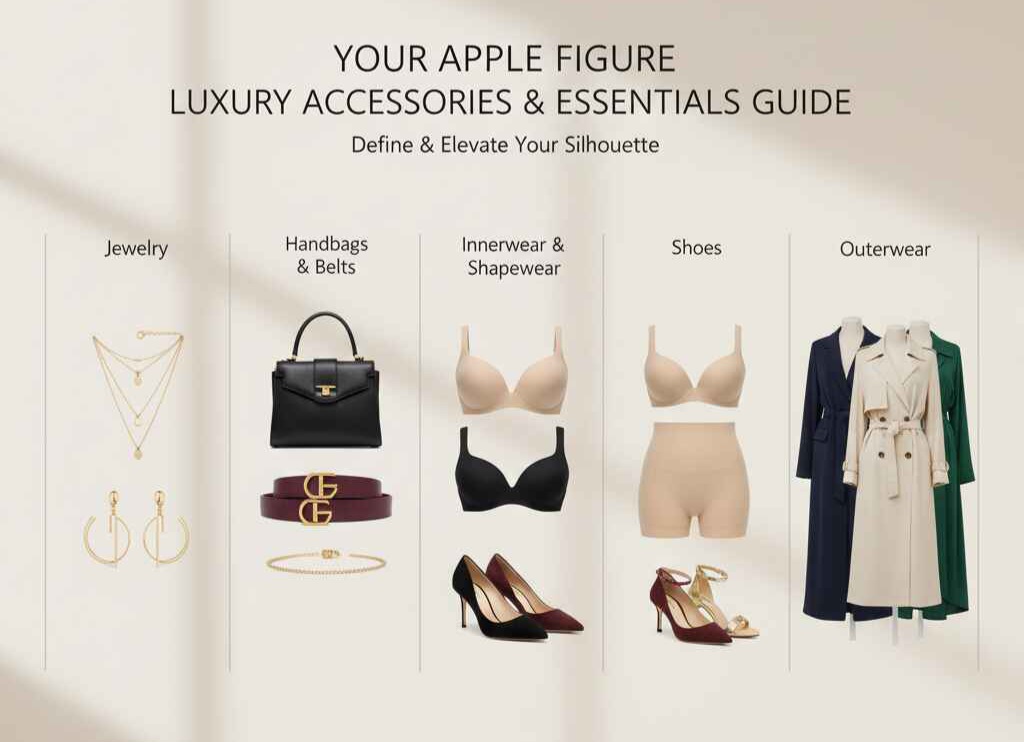
Innerwear to Wear: Supportive bras with lift and gentle projection prevent the upper torso from appearing heavy. Full-coverage or contour bras balance proportions and ensure smooth drape under tops and dresses. High-waisted briefs, shaping underwear, or bodysuits with light compression enhance the midsection without flattening curves. Shapewear that focuses on smoothing rather than reducing volume provides confidence and comfort for fitted clothing.
Innerwear NOT to Wear: Minimizer bras, low-rise underwear that digs into the stomach, and overly compressive shapewear create discomfort and can distort proportions. Heavy padding or structured styles that add volume in the wrong area may exaggerate the chest. Avoid anything that compresses or highlights the midsection unnecessarily.
OUTERWEAR FOR THE APPLE BODY
Outerwear to Wear: Open-front jackets, longline blazers, belted coats, wrap coats, and structured trench coats elongate the torso while creating visual balance. Jackets that fall below the waistline, with vertical seams or subtle shoulder padding, add symmetry and flow. Lightweight layering can enhance proportion and create curves without bulk. Fabrics that drape rather than cling are ideal.
Outerwear NOT to Wear: Boxy jackets, cropped bulky jackets, stiff puffers, straight-cut coats without belts, and oversized layers hide the waist and add visual width to the midsection. Double-breasted jackets without proper tapering can overwhelm the torso. Avoid stiff fabrics that flatten or stiffen the silhouette.
ACCESSORIES FOR THE APPLE BODY
Accessories to Wear: Long necklaces, statement earrings, scarves, handbags, belts, and shoes that draw attention to the upper body or elongate the torso are ideal. Choose accessories that create vertical lines and balance your silhouette. Layered necklaces, drop earrings, and delicate bracelets highlight arms and neckline without adding bulk to the midsection.
Accessories NOT to Wear: Short chokers or bulky belts that sit at the widest part of the midsection, heavy layered bracelets on the forearms, or oversized bags that add volume to the waist or hip area. Avoid anything that draws focus directly to the midsection, which can exaggerate fullness.
Real Styling Experience – Apple Body Shape
The apple body shape is one of the most misunderstood shapes I have worked with. Not because it is difficult to style, but because most women with this shape have been given the wrong advice for years. They are told to hide, to cover, to avoid attention, and slowly they begin to disconnect from their own appearance.
I have sat with women who felt frustrated every single time they tried on clothes. One woman told me she stopped enjoying shopping completely. She said everything either felt too tight around the midsection or too loose everywhere else. She started choosing oversized clothing just to feel comfortable, but it made her feel invisible.
The issue was never her body. The issue was that her clothing was not working with her structure.
We made a small shift. Instead of hiding her midsection, we created flow around it. We allowed the fabric to move instead of cling. We introduced vertical lines that guided the eye naturally. We shifted attention upward and downward instead of keeping it centered.
The transformation was quiet but powerful. She didn’t look “different.” She looked at ease. Balanced. Present.
The truth about apple body styling is not about hiding your center. It is about creating movement, flow, and visual direction so your entire body feels balanced.
Another client used to focus only on her waistline, constantly adjusting, pulling, fixing. That constant awareness made her feel uncomfortable all day.
We changed the focus. Added structure to her shoulders, created clean lines through her outfits, and used fabrics that skimmed rather than clung. She stopped adjusting her clothes. She started moving freely.
That is when styling is working. When you stop thinking about your outfit and start living in it.
Where Most Women Go Wrong
The most common mistake is wearing clothing that clings directly to the midsection. Tight fabrics without structure highlight areas unnecessarily and create discomfort.
Another mistake is going too oversized without shape. While loose clothing feels safe, it often removes structure completely and makes the body appear heavier rather than balanced.
I have also seen over-layering around the waist area. Too many layers in the middle create bulk instead of flow.
Many women avoid structure completely, thinking it will make them look bigger. In reality, the right structure brings clarity and balance.
And finally, there is the mistake of ignoring vertical lines. Without direction, the eye stays centered, which increases focus on the midsection.
Professional Do and Do Not Guidance
Do choose fabrics that skim over the body rather than cling tightly.
Do create vertical lines through your outfits to guide visual flow.
Do add structure to the shoulders or neckline to balance proportions.
Do choose clothing that creates movement and ease.
Do focus on overall balance instead of one area.
Do not wear clingy fabrics around the midsection.
Do not go completely oversized without shape.
Do not add bulk through heavy layering at the waist.
Do not avoid structure entirely.
Do not keep all attention centered in one area.
Practical Wardrobe Strategy
Your wardrobe should create flow, not tension.
Tops should move with your body. Fabrics that glide rather than stick allow comfort and elegance at the same time.
Necklines play an important role. Open necklines create space and draw attention upward, which naturally balances the body.
Outer layers can be one of your strongest tools. Lightweight jackets, shrugs, or layers that fall vertically help create clean lines without adding bulk.
Bottoms should provide stability. Straight cuts, structured fabrics, or slightly tailored silhouettes help ground the outfit and bring balance.
Dresses work beautifully when they flow from the body instead of gripping it. Styles that create gentle movement feel natural and effortless.
Belts should be used thoughtfully. Instead of tightening at the widest point, placement and softness matter more.
Footwear helps anchor your look. Slightly stronger or structured footwear balances the upper body visually.
Accessories should guide attention. Keeping focus slightly above or below the midsection helps create harmony.
When shopping, focus on how the garment moves, not just how it looks when standing still. Movement reveals everything.
Frequently Asked Questions
1. Should I hide my midsection?
No, and this is where most women start going wrong. Hiding creates tension and discomfort, both visually and physically. Instead, your goal is to create flow around your midsection so the eye moves naturally across your body. When the fabric glides instead of clings, you don’t feel the need to adjust yourself constantly, and that alone changes how confident you feel throughout the day.
2. What fabrics work best?
Fabrics that move with your body will always serve you better than fabrics that hold or grip. Think of materials that softly skim the body rather than stick to it. When you walk, sit, or move, the fabric should follow you, not restrict you. This single shift reduces discomfort and instantly improves how your outfit looks in motion, not just in the mirror.
3. Can I wear fitted clothes?
Yes, but fitted should never mean tight or restrictive. The right fit for you is one that follows your shape without pressing into it. If you feel the need to keep adjusting your top or pulling at your waist, the fit is working against you. The right fitted piece will feel secure but effortless, allowing you to move freely.
4. What necklines suit me?
Open necklines are one of your strongest styling tools because they create vertical space. This naturally shifts attention upward and elongates your upper body. When your neckline opens the space, your entire look feels lighter and more balanced without needing extra effort.
5. Are oversized clothes good?
Oversized clothing can feel safe, but without structure, it often removes shape completely. The goal is not to hide inside fabric but to allow space while still maintaining direction. Pieces that are slightly relaxed but still intentional will always look more refined than something that overwhelms your frame.
6. Can I wear belts?
Yes, but belts should guide shape, not force it. Instead of tightening at the widest point, think about gentle definition. A belt should feel like it supports your outfit, not restricts your body. Placement and softness matter more than tightness.
7. What bottoms suit me best?
Bottoms that provide structure and stability help balance your overall look. When your lower half feels grounded, your outfit feels complete. Straight cuts, tailored shapes, or slightly structured fabrics help create that balance without effort.
8. Why do some outfits feel uncomfortable?
Because they are creating tension instead of flow. When clothing pulls, grips, or sits heavily in one area, your body responds by constantly adjusting. Good styling removes that tension so you can move freely without thinking about your clothes.
9. Can I wear dresses?
Yes, and they can be one of your best options when chosen correctly. Dresses that move away from the body slightly instead of clinging will feel comfortable and look balanced. The goal is ease, not restriction.
10. Should I layer?
Layering works very well when done lightly. Vertical layers such as open jackets or soft outerwear create direction without adding bulk. The key is to keep layers breathable and fluid rather than heavy.
11. What is the biggest mistake?
Wearing fabric that clings tightly to the midsection without support. This not only highlights areas unnecessarily but also creates discomfort throughout the day. Once you remove that tension, everything improves.
12. Can I wear prints?
Yes, but placement is important. Prints should not concentrate attention only at the center. When distributed thoughtfully, they add interest without overwhelming your shape.
13. Where should I draw attention?
Slightly above or below the midsection. This creates balance and prevents the eye from staying in one place. When attention moves, your outfit feels more complete.
14. Can I wear crop tops?
Yes, but they work best when styled with balance. Pairing them with supportive bottoms or layering can create a structured yet comfortable look. It is about proportion, not restriction.
15. What outerwear works best?
Outerwear that creates vertical lines without heaviness. Soft structured jackets or open layers help define your silhouette while maintaining flow.
16. Can I wear bodycon?
Yes, but only when the fabric supports your body properly. A good bodycon piece should feel secure and smooth, not tight or uncomfortable. If it creates pressure, it is not the right one.
17. What shoes help?
Shoes that add a bit of structure or presence help anchor your outfit. This creates balance between your upper and lower body without needing extra adjustments elsewhere.
18. Can I wear high waist?
Yes, if it feels comfortable and supportive. High-waisted pieces can help create structure, but they should never feel restrictive or tight.
19. What colors help?
Color placement matters more than the color itself. Balanced distribution of tones across your outfit helps create harmony. Avoid concentrating strong contrast only at the center.
20. Should I avoid tight clothing completely?
No. The goal is not avoidance, but awareness. Tight clothing can work when balanced, but it should never create discomfort or constant adjustment.
21. Can I wear layers in summer?
Yes, lightweight layers can still create structure without adding heat. The key is choosing breathable fabrics that allow movement.
22. What about jackets?
Jackets should add structure without bulk. Soft tailoring works better than heavy construction. When done right, they enhance your shape instead of overwhelming it.
23. Can I wear skirts?
Yes, especially those that move naturally. Skirts that create flow help balance your proportions and feel comfortable throughout the day.
24. Why do stiff clothes feel heavy?
Because they hold shape instead of adapting to your body. This creates bulk and reduces movement, making the outfit feel restrictive.
25. Can I define my waist?
Yes, but softly. Gentle shaping works far better than tight definition. The goal is to guide the silhouette, not force it.
26. What is the easiest fix?
Start with creating vertical lines in your outfit. This alone can change how balanced your body appears without needing a full wardrobe change.
27. Do accessories matter?
Yes, they play a subtle but important role in guiding attention. The right placement can shift focus and improve overall balance.
28. How do I shop smarter?
Pay attention to how the garment moves and feels, not just how it looks when you are standing still. Movement reveals whether it will actually work for you.
29. Why do I keep adjusting my outfit?
Because it is not aligned with your body’s natural movement. When clothing fits correctly, you stop thinking about it completely.
30. What is the final takeaway?
Your body does not need to be controlled or hidden. It needs to be supported with flow, movement, and balance. When your clothes work with you instead of against you, everything changes not just how you look, but how you feel throughout the day.
Final Notes on Styling the Apple Body
The apple body’s goal is to elongate the torso, minimize midsection emphasis, and highlight the legs and neckline. Through vertical lines, draped fabrics, structured layering, and strategic accessories, the apple figure appears balanced, elegant, and proportionally harmonious. Clothing, belts, and accessories should work together to guide the eye along the body, creating a graceful silhouette that enhances confidence, poise, and style.
More Guides You Might need
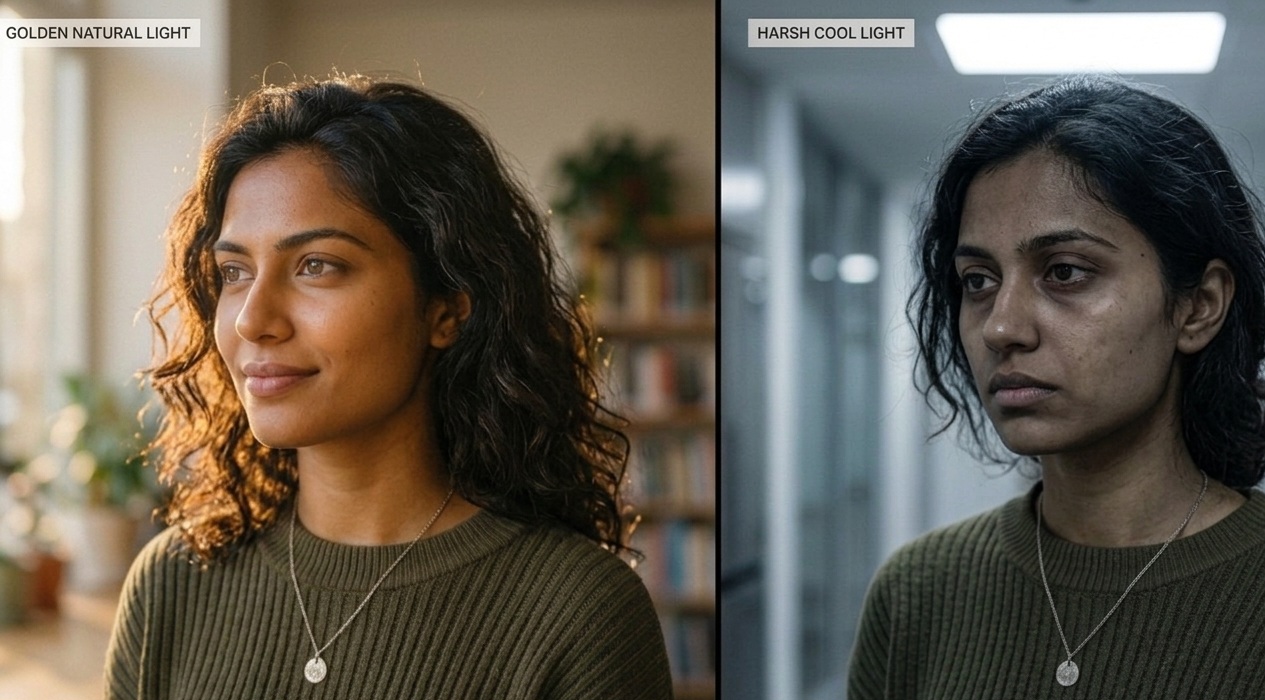
Why You Look Better in Some Lighting and Worse in Others
Why Do I Look Washed Out in Photos and How to Fix It

Why Do Bad People Seem to Win in Life?
Why Don’t I Feel Happy About My Pregnancy All the Time?

Why Does My Mind Feel So Heavy During My Period?
How to Dress Better Without Buying New Clothes

Is My Phone Making Me Dumb Every Day?

Why do I look bad in photos ? ( and what's the solution )
© 2026 Femmemalist™. All rights reserved.