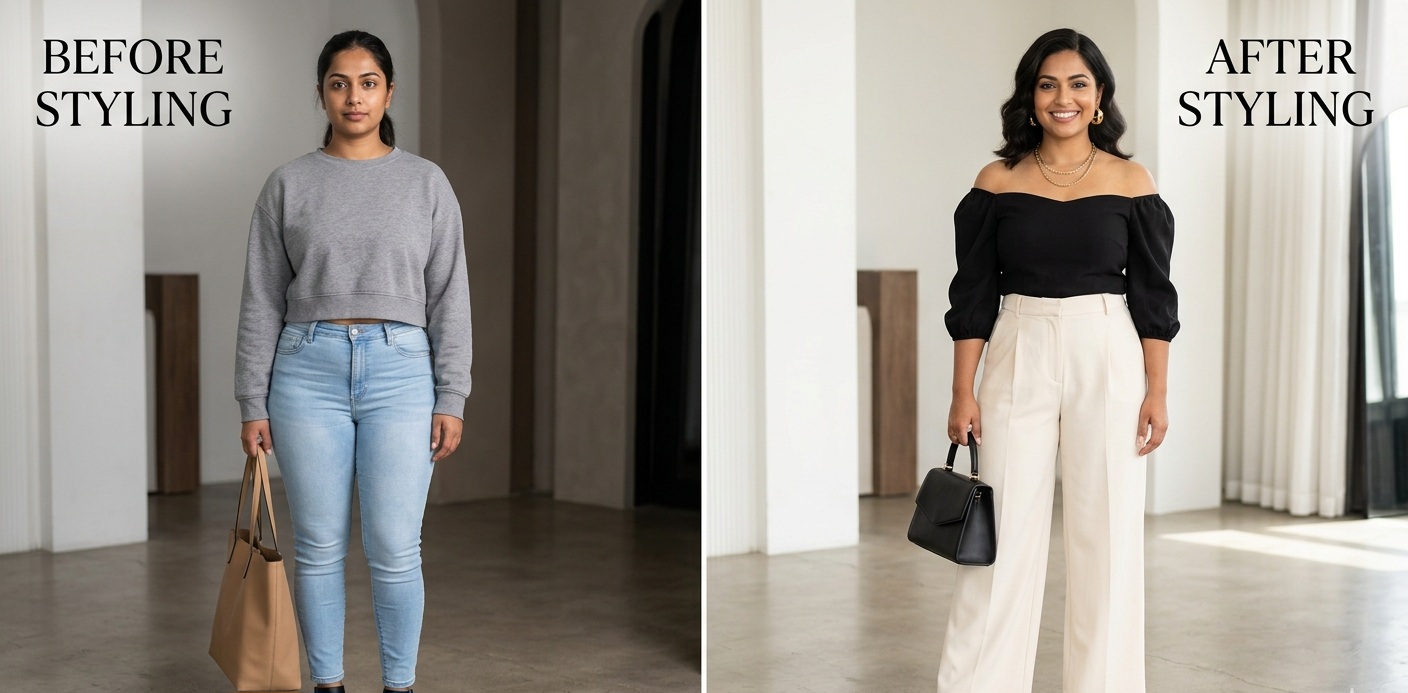
PEAR BODY TYPE COMPLETE STYLING & GLOW-UP GUIDE FOR WOMEN
Understanding Balance, Proportion, and Effortless Confidence
If you have ever searched for how to dress a pear body shape, why certain outfits don’t feel balanced, or how to style wider hips without overthinking every outfit, you are not alone.
Pear body shape is one of the most common body types in women, yet also one of the most misunderstood. Many women feel that no matter how well they dress, something looks slightly off. Not wrong, just not fully aligned.
This is not because you lack style. It is because most styling advice does not explain how proportions actually work.
The pear body type is defined by a narrower upper body and a fuller lower body, with hips that are naturally wider than the shoulders.
This creates a beautiful, grounded structure. But if the outfit does not visually balance the upper and lower halves, the look can feel heavier at the bottom or disconnected overall.
I have worked with women who kept adjusting their outfits throughout the day, pulling at tops, rethinking their choices, feeling like something wasn’t sitting right. The moment we shifted focus to proportion instead of just clothing, everything changed.
Not by hiding anything. Not by restricting choices. But by understanding placement, volume, and visual balance.
When your outfit starts working with your body instead of against it, the difference is immediate. You feel lighter, more proportionate, and far more confident without trying harder.
This guide is designed to help you understand exactly that.
Here, you will learn how to choose tops that bring attention upward, bottoms that fall correctly without adding unnecessary volume, dresses that create flow instead of stiffness, and styling techniques that naturally balance your silhouette.
Every recommendation is based on one principle: creating harmony between your upper and lower body.
You will also begin to notice small shifts that make a big difference. Necklines that open up the upper body. Fabrics that move instead of cling. Colors that guide attention instead of trapping it.
These are not complicated changes. But they are powerful.
This is not about minimizing your body. It is about allowing it to look structured, balanced, and effortlessly put together.
If you ever feel unsure while choosing outfits, curated selections are also available to help you see these principles applied in real pieces. They are there to simplify your decisions, not replace your intuition.
Take your time with this. Once you understand how balance works for your body, styling stops feeling confusing.
It becomes something you can rely on.
Understanding the Pear Body
The pear body shape, also called the triangle shape, is characterized by a narrower upper body with a smaller bust and shoulders, paired with a fuller lower body, including wide hips, thighs, and buttocks. The waist is typically well-defined, creating a natural distinction between the upper and lower body. Scientifically, pear-shaped fat distribution is influenced by estrogen, which encourages fat storage in the lower body, while muscle tone in the upper body tends to be leaner. Pear-shaped individuals often have proportionally slim arms and a smaller chest, giving a natural balance opportunity by emphasizing the upper body through clothing, colors, and accessories. Understanding this shape is essential for styling, as the goal is to broaden the shoulders, highlight the upper torso, and elongate the legs to balance the fuller lower half.
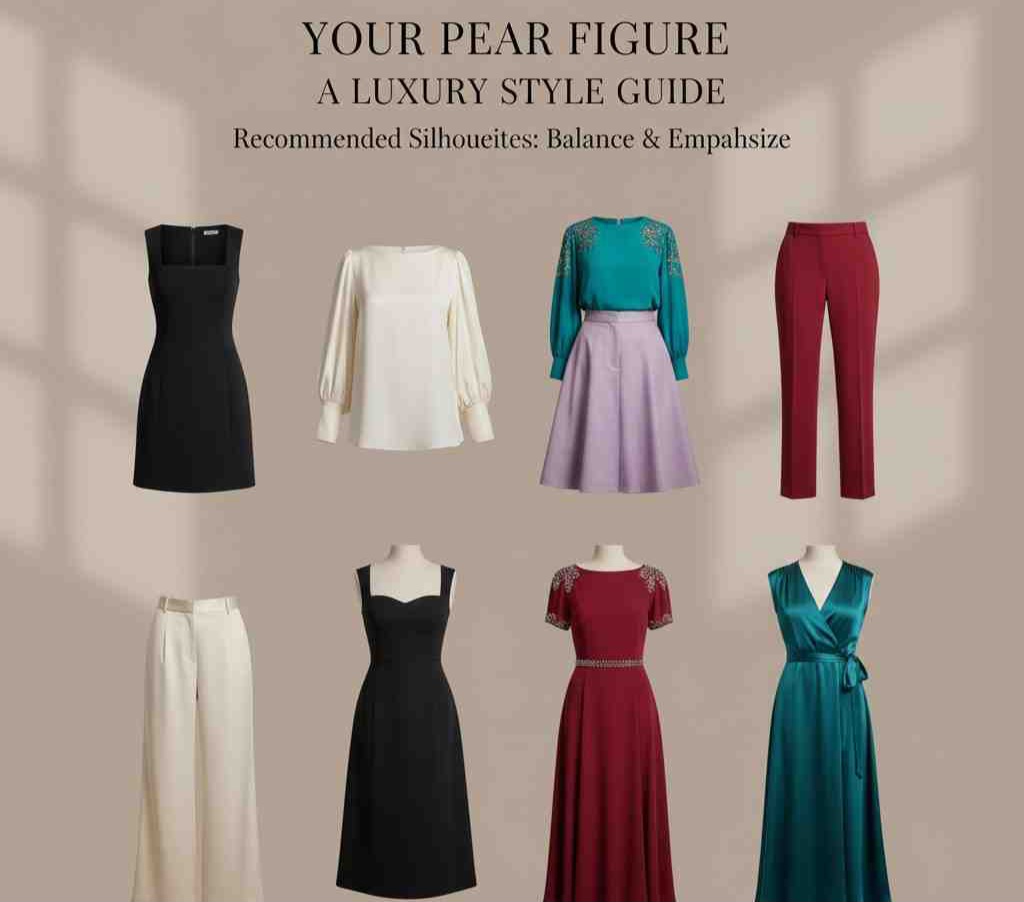
Strengths of the Pear Body
Pear-shaped bodies are inherently feminine, with a naturally defined waist and graceful lower curves. The narrow shoulders and small bust create opportunities to accentuate the upper body with clothing, drawing attention upward. The lower body provides a strong, stable base, giving legs and hips an elegant, grounded appearance. Pear-shaped figures carry skirts, dresses, and tailored pants exceptionally well, as the lower body can support structured fabrics without creating disproportion. Additionally, the smaller upper body allows for experimentation with colors, patterns, and accessories to create balance and focus, making pear-shaped individuals versatile and stylish in various fashion aesthetics.
Challenges of the Pear Body
The main challenge for pear-shaped bodies is balancing the upper and lower halves. Fuller hips and thighs can appear heavier if clothing adds bulk or draws attention downward. Tight or low-rise bottoms may emphasize width, while heavy fabrics or pleated designs can exaggerate the lower body. The upper body, being narrower, may appear disproportionately small if not emphasized strategically through clothing, patterns, and accessories. Without proper styling, the natural curves of the hips and thighs may overpower the rest of the figure, creating a bottom-heavy appearance.
What to Accentuate
The key for pear-shaped individuals is to highlight the upper body and waist while elongating the lower body. Bright colors, patterns, structured tops, and embellished necklines draw attention upward, balancing proportions. The waist, being naturally defined, should be accentuated with belts, high-waisted skirts, or fitted tops. Lower-body clothing should skim the hips without adding volume, and vertical lines or monochromatic colors help elongate the legs. Accessories, shoes, and handbags can also shift focus upward, creating harmony in the overall silhouette.
What NOT to Accentuate
Avoid clothing that adds bulk to the hips, thighs, or lower torso. Heavy pleats, oversized pockets, horizontal patterns, and stiff fabrics at the bottom exaggerate width. Tight, clingy fabrics that compress the lower body without shape create an unflattering silhouette. Shapeless tops or garments that hide the waistline diminish proportion and can make the figure appear bottom-heavy.
TOPS FOR THE PEAR BODY
Tops to Wear: Structured tops, fitted blouses, wrap tops, boat necks, off-shoulder styles, and statement sleeves help broaden the shoulders and upper torso. Patterns, light colors, and embellishments on the chest and shoulders draw attention upward. Peplum tops that flare gently at the waist maintain balance while enhancing the waistline. V-necks and scoop necks elongate the neck and torso, adding elegance. Layering with cropped jackets or blazers can emphasize shoulder width and proportionally balance the lower body.
Tops NOT to Wear: Avoid tops that are too loose, shapeless, or heavy, as they flatten the upper body and fail to draw attention upward. Tight tops that cling without structure can exaggerate contrast between the upper and lower body. Dark, dull, or monochromatic tops on the upper body may fail to create visual interest, leaving the lower body appearing wider by comparison.
BOTTOMS FOR THE PEAR BODY
Bottoms to Wear: High-waisted, straight-leg pants, A-line skirts, pencil skirts with slight stretch, and flared trousers create a smooth, elongated look. Darker colors or monochromatic shades on the lower body minimize volume visually. Skirts that skim the hips rather than cling tightly, or pants with vertical seams and subtle tapering, provide elegance and balance. Wide-leg trousers with structure can also complement the figure when paired with a well-fitted top.
Bottoms NOT to Wear: Avoid low-rise pants, bulky pleated skirts, cargo pants, and bottoms with large pockets or embellishments at the hips and thighs, as these add volume and disrupt proportion. Tight leggings or skinny jeans with no stretch can accentuate the lower body disproportionately. Horizontal patterns or bright colors on the bottom draw attention downward, making the lower body appear larger.
DRESSES FOR THE PEAR BODY
Dresses to Wear: Fit-and-flare dresses, A-line styles, wrap dresses, and dresses with empire waistlines accentuate the upper body and waist while flowing gently over the hips. Dresses with shoulder embellishments, boat necks, or structured sleeves add width to the upper body, balancing the silhouette. Vertical lines, paneling, or color-blocking help elongate the torso and legs while keeping the lower half proportionate.
Dresses NOT to Wear: Shift dresses, straight-cut sheath dresses, drop-waist styles, or tight bodycon dresses without stretch cling excessively to the lower body, exaggerating hips and thighs. Heavy fabrics at the bottom or skirts with large pleats or embellishments create imbalance and a bottom-heavy appearance.
INNERWEAR FOR THE PEAR BODY
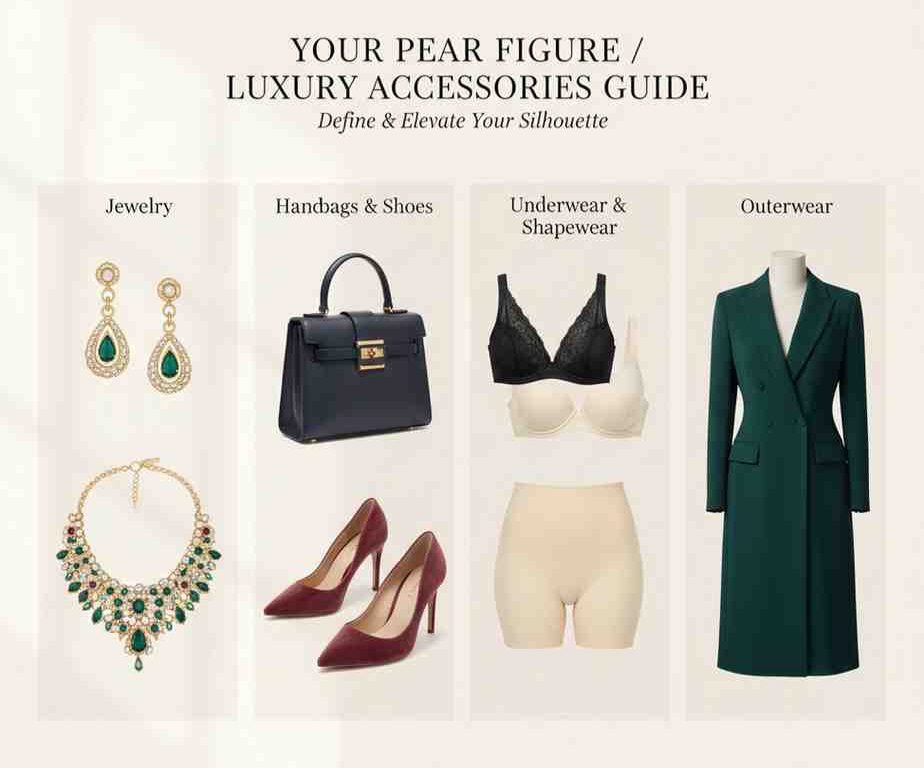
Innerwear to Wear: Supportive bras with light padding enhance the bust and create balance with the hips. High-waisted panties or shaping briefs smooth the lower body and highlight the waistline without compressing. Bodysuits with structured panels provide gentle shaping from the waist down while accentuating natural curves.
Innerwear NOT to Wear: Low-rise underwear that digs into the hips, heavy shapewear that compresses the thighs, or bras that minimize the chest can worsen proportional contrast. Avoid ill-fitting lingerie that distorts the natural lines of the upper or lower body.
OUTERWEAR FOR THE PEAR BODY
Outerwear to Wear: Cropped jackets, structured blazers, belted coats, trench coats with shoulder detailing, and open-front longline jackets highlight the upper body while skimming the lower half. Layered or asymmetric outerwear adds interest to the upper torso and draws attention away from hips. Light fabrics and structured tailoring maintain elegance without adding bulk.
Outerwear NOT to Wear: Oversized coats, boxy jackets, straight-cut puffers, or shapeless layers add width to the lower torso and hide the natural waistline. Heavy materials without structure can exaggerate the bottom-heavy look. Avoid long, straight silhouettes that cling to the hips without flaring or tapering.
ACCESSORIES FOR THE PEAR BODY
Belts to Wear: Medium-width belts at the natural waistline accentuate the slim waist and balance upper and lower body proportions. Belts over dresses, coats, or tops help define shape without adding bulk to the hips.
Belts NOT to Wear: Belts that sit low on the hips or are overly wide compress the lower torso and draw attention downward. Thin belts that disappear visually fail to create definition.
Bags to Wear: Medium-sized structured handbags, shoulder bags, and bags with embellishments or details near the top draw attention upward. Crossbody bags that sit slightly above the hip line create vertical balance and proportion.
Bags NOT to Wear: Oversized, heavy slouchy bags, bags that hang at the widest part of the hips, or extremely small micro bags upset balance and exaggerate the lower body.
Shoes to Wear: Pointed-toe heels, ankle-strap heels, sleek pumps, and boots that elongate the legs help balance the wider lower body. Neutral colors or shoes that visually extend the leg line maintain proportion.
Shoes NOT to Wear: Chunky boots, heavy platforms, clunky sneakers, or shoes with wide straps draw attention to the lower body and make hips appear larger. Avoid shoes that cut the leg line abruptly.
Jewelry to Wear: Statement necklaces, earrings, and shoulder-enhancing jewelry draw attention upward. Medium-scale, vertical, or curved pieces create balance and proportion. Layered chains or embellishments around the neckline and shoulders complement the slimmer upper body.
Jewelry NOT to Wear: Heavy chokers, oversized bracelets, or jewelry that centers on the lower body can exaggerate the bottom half. Avoid jewelry that is too small to create visual balance with the upper torso.
Real Styling Experience – Pear Body Shape
The pear body shape is one of the most beautiful yet most emotionally misunderstood shapes I have worked with. Not because it is difficult to dress, but because many women with this shape spend years feeling like their lower body is something they need to hide.
I have seen women stand in front of mirrors adjusting their outfits repeatedly, pulling their tops down, trying to cover their hips, choosing longer layers, darker bottoms, anything that makes them feel less noticeable. The intention is always the same. To feel balanced. To feel comfortable.
But most of the time, these adjustments do the opposite.
I remember working with a woman who wore only long, loose tops and dark leggings. She believed this combination made her look slimmer. But when she walked, the entire visual weight of her outfit sat at the lower half, making her look heavier than she actually was.
We did not reduce her lower body. We rebalanced her upper body.
We introduced structure near her shoulders. Slightly wider necklines. Soft volume in sleeves. A lighter-toned top that drew attention upward. The bottom remained simple and clean.
The shift was immediate. She looked more proportionate, more confident, and most importantly, she stopped trying to hide.
The truth about pear body styling is this. You are not trying to reduce your lower half. You are creating visual balance by building your upper half.
Another situation I often see is the opposite mistake. Over-correcting. A client once started wearing extremely padded shoulders and heavy upper layers after hearing advice about “balancing proportions.” Instead of balance, it created stiffness and made her look structured in an unnatural way.
We softened everything. Clean lines, gentle volume, thoughtful placement. The result felt natural again.
This is where most people go wrong. Styling is not about extremes. It is about controlled balance.
Where Most Women Go Wrong
The most common mistake is trying to hide the lower body completely. Oversized tops that fall too long often extend into the hip area, making it look wider instead of more balanced.
Another mistake is wearing bottoms with too much detail. Pockets, heavy prints, distressing, bright colors, or shiny fabrics on the lower half attract more attention to the area most women are already conscious about.
I have also seen issues with incorrect top lengths. Tops that end exactly at the widest part of the hips create a visual cut, making the body appear broader.
Footwear is often ignored. Very delicate footwear can sometimes make the lower body look heavier in comparison, while overly bulky footwear can exaggerate the base.
And then there is posture. Many women with pear shapes unconsciously try to “shrink” themselves by rounding their shoulders forward, which further reduces upper body presence.
Professional Do and Do Not Guidance
Do bring attention upward. Use necklines, sleeves, textures, and lighter tones on the upper body.
Do keep your lower half clean and structured. Simplicity creates elegance.
Do choose tops that end above or below the widest part of your hips, never exactly at it.
Do use layering wisely. Structured jackets that sit at the waist can create balance.
Do choose fabrics that fall smoothly over the hips rather than cling or add bulk.
Do not overload your lower body with heavy prints, embellishments, or bright colors.
Do not wear overly long, shapeless tops that extend into the hip area.
Do not use very stiff fabrics on the lower half that add volume.
Do not ignore your shoulders. A weak upper structure creates imbalance.
Do not choose bottoms that taper too tightly at the ankle without balance above.
Practical Wardrobe Strategy
In everyday life, small changes create the biggest difference.
Start with your tops. Even a simple shift from a plain round neck to a wider neckline can change how your proportions are perceived. Sleeves matter more than most people realise. Slight puff, structure, or detail at the shoulder draws the eye upward naturally.
Bottoms should feel clean. Straight cuts, A-line silhouettes, and structured fits that do not cling too tightly are ideal. The goal is not to compress, but to smooth.
Dresses work beautifully when they define the upper body and fall freely over the hips. Fit-and-flare styles, wrap dresses, and A-line dresses are naturally aligned with your shape.
Belts can be used, but placement matters. When used correctly, they define your waist and help transition between upper and lower body smoothly.
Footwear should support balance. Medium-structured shoes often work better than extremes. Avoid going too delicate or too heavy without context.
Accessories are your advantage. Earrings, necklaces, scarves, and even hair styling can draw attention upward, creating harmony without effort.
When shopping, ask yourself one simple question. Does this bring balance to my upper and lower body. If yes, it will work.
Frequently Asked Questions
1. Should I always wear dark colors on the bottom?
Not always, and this is where many women limit themselves unnecessarily. Darker tones on the lower body can create a soft slimming effect, but your goal is not to hide your shape. It is to balance it. You can absolutely wear lighter or brighter bottoms when your upper body carries enough structure, detail, or visual weight to support it.
2. Can I wear skinny jeans?
Yes, and they can look beautiful on you when styled intentionally. The key is what you pair them with. A slightly structured top, a defined shoulder, or an interesting neckline brings balance so your outfit feels complete instead of bottom-heavy.
3. What tops suit me best?
Tops that gently build presence in your upper body. This can come through structured shoulders, subtle detailing, or open necklines that draw the eye upward. You are not trying to exaggerate, just create a sense of visual balance.
4. Can I wear crop tops?
Yes, and they can actually work very well when paired with high-waisted bottoms. They help define your waist and shift attention upward, especially when the fit feels intentional rather than overly tight.
5. Why do long tops sometimes make me look heavier?
Because they extend into your hip area and visually widen it. When a top ends at the widest part of your body, it draws attention there. Slightly shorter or waist-length tops create a cleaner, more flattering line.
6. Are A-line dresses good for me?
Yes, they are one of the most natural silhouettes for your shape. They follow your structure without clinging and create movement that feels effortless while maintaining proportion.
7. What kind of sleeves should I choose?
Sleeves with a little structure or detail work beautifully. Even a small puff, a fold, or a defined seam can add just enough presence to your upper body to create balance.
8. Can I wear bright colors on the bottom?
Yes, but they need support. When your bottom is bold, your top should not disappear. Add structure, texture, or a complementary color above so the outfit feels cohesive rather than weighted downward.
9. What footwear suits me best?
Shoes that feel balanced, not too delicate and not too heavy. Medium-structured footwear helps ground your outfit and supports your proportions without drawing unnecessary attention to one area.
10. Can I wear oversized tops?
You can, but be mindful of length and shape. If an oversized top falls into your hip area without structure, it can make your lower body look wider. Choosing slightly cropped or shaped oversized pieces works much better.
11. Are high-waisted bottoms good for me?
Yes, they are one of your strongest tools. They define your waist clearly and help create a smoother transition between your upper and lower body.
12. What fabrics should I avoid on the lower body?
Very clingy fabrics that highlight every curve or overly bulky materials that add volume. Both extremes can make your lower body feel heavier. Structured yet slightly fluid fabrics tend to work best.
13. Can I wear patterns?
Yes, and placing them on your upper body is especially effective. Patterns naturally draw attention, so using them above helps create visual balance without effort.
14. Do belts help?
Yes, when used intentionally. A belt placed at your natural waist creates structure and helps define your shape in a very flattering way.
15. Can I wear skirts?
Absolutely. A-line and flowy skirts work beautifully because they move with your body instead of restricting it, creating a balanced and graceful silhouette.
16. Why do some outfits feel unbalanced even if they look stylish?
Because too much attention is placed in one area. When either the top or bottom dominates, the outfit loses harmony. Balance is what makes a look feel complete.
17. Can I wear bodycon dresses?
Yes, but choose them carefully. The fabric should support your shape rather than cling too tightly. Structure and quality make all the difference here.
18. What jackets suit me best?
Jackets that end at or slightly above your waist work very well. They define your upper body and avoid adding extra width to your hips.
19. Can I wear wide-leg pants?
Yes, and they can look very elegant when paired with a defined or slightly structured top. The contrast between volume below and structure above creates balance.
20. What is the biggest mistake I should avoid?
Trying to hide your lower body completely. When you hide, you lose proportion. The goal is not to disappear, but to balance and highlight your natural shape.
21. Should I avoid detailing on bottoms?
In most cases, keeping the lower body simpler helps maintain balance. Too much detail there can draw attention downward and disrupt proportion.
22. What necklines suit me best?
Open and slightly wider necklines work beautifully. They draw the eye upward and create space in your upper body, helping balance your silhouette.
23. Can I wear jumpsuits?
Yes, especially those that define the waist and have some structure on top. A well-fitted jumpsuit can create a very clean, balanced look.
24. How do I look more proportional instantly?
Bring attention to your upper body. This can be through neckline, structure, color, or accessories. Even small changes here can shift the entire balance of your outfit.
25. Do I need a completely new wardrobe?
No. Most of the time, small adjustments in how you style what you already own can create a big difference. It is about awareness, not replacement.
26. Can I wear light colors on top?
Yes, and they are very effective. Lighter tones naturally draw attention upward and help balance your proportions effortlessly.
27. Are heels better for me?
Heels can help elongate your lower body and refine your overall silhouette, but they are not essential. They are simply one of many tools you can use.
28. Can I wear flats?
Yes, just choose designs that have some structure. Very delicate flats can sometimes feel too light compared to your overall proportions.
29. What should I focus on the most while styling?
Creating balance between your upper and lower body. When both feel equally supported, your entire look becomes more harmonious and effortless.
30. What is the final takeaway?
Your shape is already beautiful and complete. Styling is not about hiding or correcting anything. It is about understanding your proportions and working with them so you feel confident, balanced, and fully yourself.
Final Notes on Styling the Pear Body
The pear body’s styling goal is to broaden the upper body, define the waist, and elongate the lower half. By strategically using structured tops, high-waisted bottoms, vertical lines, and visually balancing accessories, the pear figure appears proportional, graceful, and elegant. Attention should be drawn upward to highlight shoulders, neckline, and chest while allowing the lower body to flow naturally. Proper clothing, layering, and accessories can transform the pear body into a harmonious, confident, and stylish silhouette.
More Guides You Might need
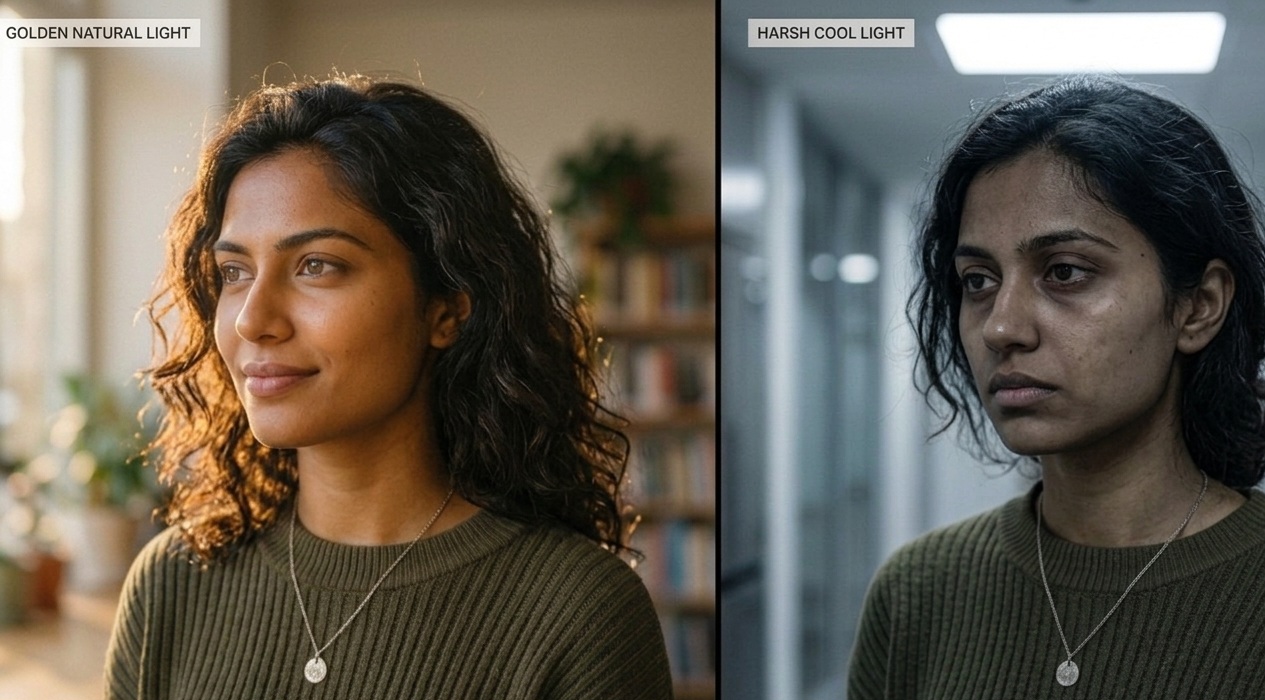
Why You Look Better in Some Lighting and Worse in Others
Why Do I Look Washed Out in Photos and How to Fix It
Why Do Bad People Seem to Win in Life?
Why Don’t I Feel Happy About My Pregnancy All the Time?

Why Does My Mind Feel So Heavy During My Period?
How to Dress Better Without Buying New Clothes

Why do I look bad in photos ? ( and what's the solution )

Is My Phone Making Me Dumb Every Day?
© 2026 Femmemalist™. All rights reserved.