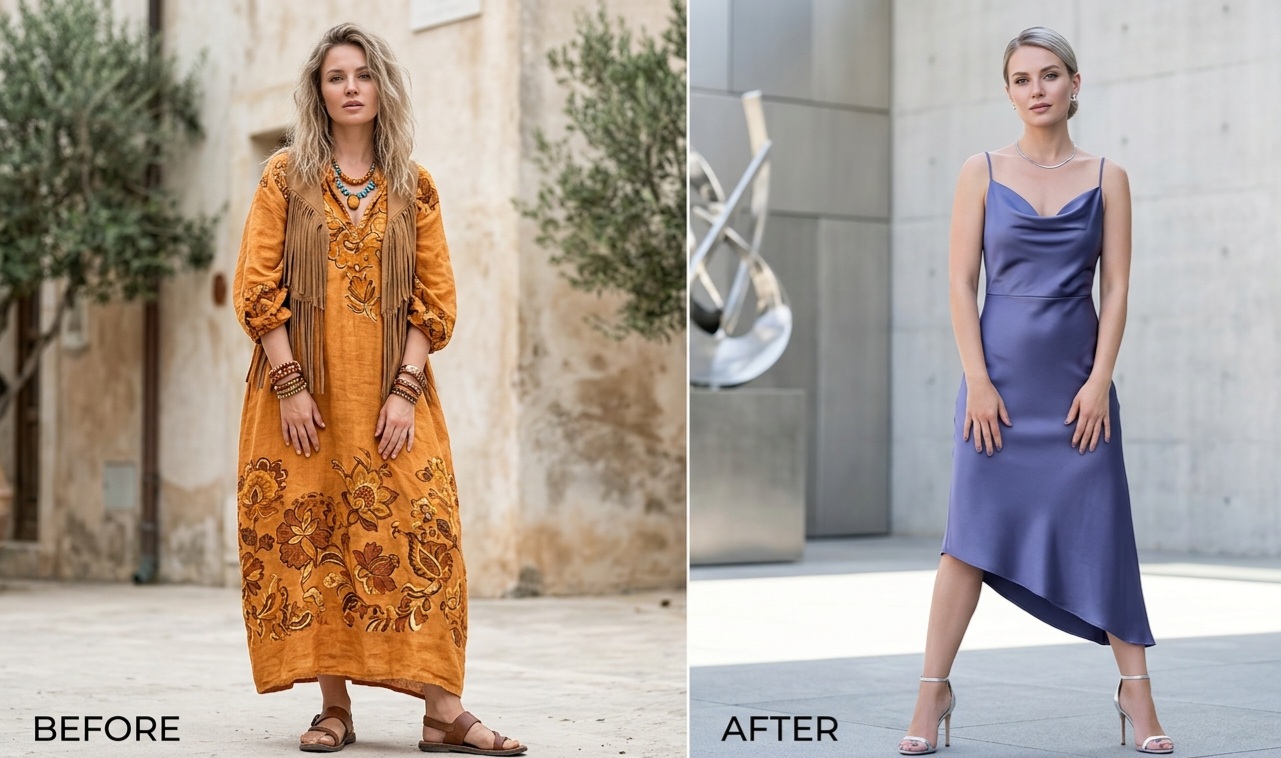
COOL UNDERTONE – COMPLETE GUIDE TO COLORS, FEATURES AND HOW TO IDENTIFY IT
Over time, I have worked with people who felt something was always slightly off in how they looked, even when their outfits and styling choices were well considered. The effort was there, but the result did not fully reflect it. In most cases, the issue was not style. It was undertone alignment.
Many women search for answers like how to know if you have a cool undertone, what colors suit a cool undertone, or why certain shades make the skin look dull or uneven. The answer is often not complexity, but clarity. Color, tone, and small details were working against them without them realizing it.
When your colors do not match your undertone, even good styling can feel slightly off without a clear reason.
Once these elements were corrected, the difference was immediate. The skin looked clearer, features appeared more defined, and the overall appearance felt more balanced without adding more effort.
This is why cool undertone styling is not about trends or rules. It is about understanding what suits your natural tone and removing the small mismatches that quietly affect your appearance.
The selections included here are based on patterns that consistently work for a cool undertone across different people, settings, and lighting conditions. If you are unsure where to start or want to simplify your choices, exploring a few well-aligned options can make the process easier and more intuitive.
What Is a Cool Undertone and How to Identify It
A cool undertone means your skin carries a pink, red, or bluish base beneath the surface. This is a structural characteristic. It does not change with tanning and it does not depend on how light or deep your skin tone is.
A common question is how to identify a cool undertone. When you observe your skin in natural daylight, you may notice a soft rosy cast or a slight bluish clarity. Veins often appear blue or violet. Silver jewelry usually looks more natural on the skin compared to gold. Foundations with yellow or warm bases may appear slightly orange or heavy.
Undertone is about temperature, not skin color depth.
Cool undertone skin reflects light with a certain sharpness and clarity. When aligned correctly with the right colors and details, the skin appears luminous, refined, and balanced. When mismatched, it may look flushed, uneven, or slightly dull without an obvious reason.
Cool undertone does not need added warmth. It needs clarity, balance, and the right level of contrast.
Why Color Reacts Strongly on Cool Skin
Your skin already contains red and pink pigments. When you introduce warm yellow or orange-heavy shades near your face, those pigments intensify visually. This is why mustard can make you look blotchy. This is why rust can make your face look tired.
When you introduce blue-based colors, something powerful happens. The blue tones neutralize excess redness. Your complexion appears smoother. Under-eye darkness looks softer. Lip color looks defined. The face gains structure.
Cool undertone thrives in temperature harmony not warmth correction.
Core Color Principle for Cool Undertone
If the color contains more blue than yellow, it will likely flatter you. If the color contains more yellow than blue, it may compete with you. This is the easiest mental filter when shopping.
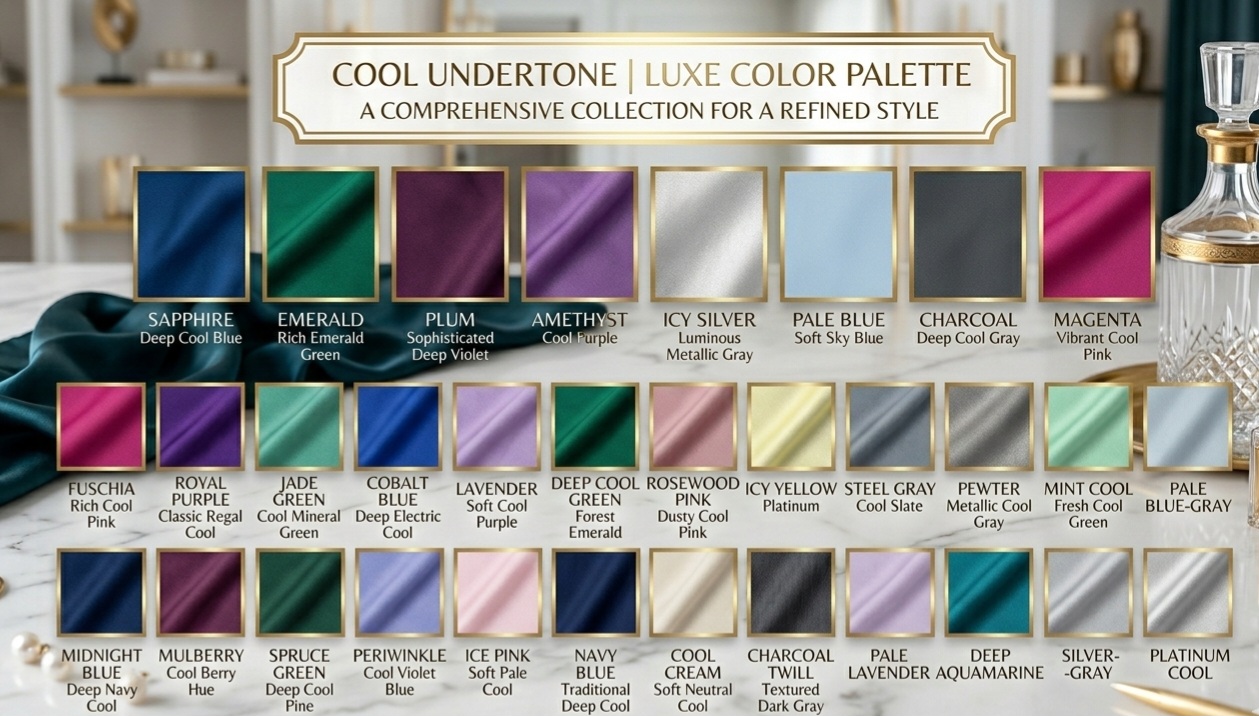
Cool Undertone Luxe Color Palette
Cool undertones are enhanced by jewel tones, icy pastels, and cool metallic shades. These colors highlight the natural pink or blue undertones in the skin and create refined, elegant outfits.
- Sapphire – Deep cool blue that adds richness and sophistication to outfits. Alternative: Royal Blue.
- Emerald – A rich jewel green that creates striking contrast on cool skin tones. Alternative: Jewel Green.
- Plum – Deep violet shade that adds elegant drama to clothing. Alternative: Aubergine.
- Amethyst – Soft cool purple ideal for dresses and knitwear. Alternative: Violet Purple.
- Icy Silver – Luminous metallic gray perfect for accessories and evening wear. Alternative: Silver Chrome.
- Pale Blue – Soft sky blue that brightens cool complexions. Alternative: Powder Blue.
- Charcoal – Deep cool gray used in tailoring and formal wear. Alternative: Graphite Gray.
- Magenta – Vibrant cool pink that creates bold statement outfits. Alternative: Fuchsia Pink.
- Fuchsia – Rich cool pink perfect for vibrant clothing pieces. Alternative: Hot Pink.
- Royal Purple – Classic regal purple that adds sophistication. Alternative: Deep Violet.
- Jade Green – Cool mineral green that pairs well with silvers and grays. Alternative: Teal Green.
- Cobalt Blue – Deep electric blue that stands out beautifully on cool undertones. Alternative: Bright Royal Blue.
- Lavender – Soft pastel purple that creates light feminine outfits. Alternative: Lilac.
- Deep Cool Green – A forest emerald tone with cool depth. Alternative: Dark Emerald.
- Rosewood Pink – Dusty cool pink that looks refined and subtle. Alternative: Dusty Rose.
- Icy Yellow – Very pale cool yellow that works best in small accents. Alternative: Lemon Ice.
- Steel Gray – Cool slate gray used for tailored clothing. Alternative: Slate Gray.
- Pewter – Metallic cool gray ideal for jewelry and accessories. Alternative: Gunmetal.
- Mint Cool – Fresh cool green that adds brightness to summer outfits. Alternative: Mint Green.
- Pale Blue-Gray – Soft grayish blue perfect for neutral outfits. Alternative: Dusty Blue.
- Midnight Blue – Deep navy shade ideal for formal outfits. Alternative: Deep Navy.
- Mulberry – Rich berry purple that adds depth to evening wear. Alternative: Berry Plum.
- Spruce Green – Deep pine green that creates elegant outfits. Alternative: Dark Pine.
- Periwinkle – Cool violet-blue pastel that brightens cool skin tones. Alternative: Blue Lavender.
- Ice Pink – Pale cool pink that softens stronger colors. Alternative: Ballet Pink.
- Navy Blue – Classic deep blue used as a cool neutral. Alternative: Midnight Navy.
- Cool Cream – Soft neutral cream with cool undertone for elegant outfits. Alternative: Soft Ivory.
- Charcoal Twill – Textured deep gray used in suits and jackets. Alternative: Dark Graphite.
- Pale Lavender – Light cool lilac tone perfect for delicate outfits. Alternative: Soft Lilac.
- Deep Aquamarine – Rich blue-green jewel tone ideal for statement pieces. Alternative: Teal Blue.
- Silver-Gray – Neutral metallic gray ideal for accessories and outerwear. Alternative: Steel Silver.
- Platinum – Bright cool metallic tone often used in jewelry and accents. Alternative: White Silver.
Cool Undertone Outfit Combinations
- Sapphire + Silver-Gray + Icy Silver
- Emerald + Charcoal + Platinum
- Cobalt Blue + Cool Cream + Pewter
- Lavender + Pale Blue + Silver-Gray
- Magenta + Charcoal + Platinum
- Periwinkle + Navy Blue + Silver-Gray
- Mint Cool + Pale Blue-Gray + Platinum
- Rosewood Pink + Cool Cream + Pewter
- Mulberry + Steel Gray + Silver-Gray
- Deep Aquamarine + Navy Blue + Platinum
- Ice Pink + Pale Lavender + Silver-Gray
- Spruce Green + Charcoal + Platinum
Colors That Create Problems
Mustard, burnt orange, rust, warm camel, olive green, warm beige, and yellow-heavy cream often clash with cool undertones. These colors introduce yellow next to pink skin which can create blotchy redness or dullness.
How to Apply This in Daily Life
College or Casual Settings
Choose navy jeans instead of warm blue denim. Choose cool pink tops instead of peach. Choose crisp white sneakers instead of cream. Choose grey hoodies instead of beige.
These simple adjustments can make your face appear brighter even without makeup.
Office Environment
Replace camel blazers with charcoal or navy. Replace beige shirts with soft white or icy pink. Plum or berry blouses create depth while keeping the face balanced.
If your office lighting is warm, jewel tones will prevent your skin from looking flushed.
Professional Authority Strategy
High-contrast outfits enhance authority for cool undertones. Black and white combinations work extremely well on you because your skin naturally carries clarity and structure. The contrast sharpens facial lines and gives the impression of composure and confidence.
Navy paired with white also creates strong professional presence without appearing harsh. Structured silhouettes in charcoal, black, or sapphire tend to look particularly powerful in formal environments.
Photography Strategy
Under warm indoor lighting, cool skin can sometimes appear red or flushed because yellow lighting exaggerates pink pigments. The easiest way to counterbalance this is by wearing jewel tones such as emerald, navy, or plum.
Avoid coral or warm peach clothing under yellow lighting because these colors intensify redness in photos.
Under natural daylight, cool skin looks exceptional in soft cool pastels or jewel tones. Lavender, icy pink, sapphire, and berry shades photograph beautifully and enhance facial symmetry.
Wedding and Formal Styling
Formal styling for cool undertones works best when metallic and color temperature remain balanced.
Choose silver embroidery rather than strong yellow gold near the face. Berry red dresses or sarees photograph far better than tomato red. Sapphire tones create elegance while teal may lean too warm depending on the base.
Icy rose shades often outperform peach in bridal or formal wear because they maintain the natural temperature harmony of cool undertone skin.
Fabric and Texture Interaction
Cool undertones pair beautifully with polished textures. Fabrics that reflect light clearly tend to enhance the natural clarity of cool skin.
Silk, satin, structured cotton, smooth wool, and crisp tailoring allow light to move cleanly across the fabric surface. This matches the reflective quality of cool undertone skin and produces a refined visual effect.
Heavily textured warm linens in beige or camel can sometimes dull the face. If wearing textured fabric, keeping the color cool helps maintain balance.
Makeup Application Logic
Foundation
Select pink-based or neutral-cool foundation bases. If foundation turns orange after blending, it is usually too warm for your undertone.
Concealer
Avoid heavy yellow correctors unless specifically addressing dark circles. Neutral or slightly pink correctors tend to blend better with cool skin.
Blush
Cool rose, berry, and soft blue-based pink blush shades enhance natural flush without competing with your undertone.
Contour
Neutral or slightly cool contour shades work best. Warm bronzers can appear muddy on cool skin.
Lipstick
Cherry red, wine, raspberry, cool nude, and mauve shades enhance natural pigmentation and create elegant definition.
Highlighter
Pearl, icy champagne, and soft silver highlighters match the temperature of cool skin. Avoid strong golden highlighters that lean yellow.
Jewelry Strategy
Metals that reflect cool temperature work most harmoniously with cool undertone skin.
Silver, white gold, and platinum blend seamlessly with the natural tones of the skin and often appear more refined and balanced.
If gold is worn, pale or soft gold is usually more flattering than deep yellow gold because it contains less warmth.
Real-Life Styling Experience, Corrections, and Practical Insight
Most women don’t struggle with style. They struggle with alignment.
Over the years, I have worked with women who were thoughtful, observant, and genuinely invested in how they present themselves. They were not careless. They were not unaware. In fact, many of them were doing almost everything right.
And yet, there was always that feeling.
Something was missing. Something felt slightly off. Not enough to clearly point at, but enough to feel every single time they stepped out or looked at a photograph later.
The outfit would be good. The effort would be visible. But the face would not reflect that same clarity.
What many of them assumed was a skincare issue, or a makeup issue, or even a confidence issue, was almost always something far more subtle.
The color was not supporting them.
What I Look for First
When I work with a woman, I don’t begin with trends or wardrobe size. I look at how the color near her face interacts with her skin in real light.
There was a woman who came to me with what she described as a “safe wardrobe.” Everything she owned was neutral. Beige dresses, camel blazers, warm creams, soft peach tops. It looked elegant, minimal, and refined.
But when she wore those pieces, her face looked slightly muted. Not dull, but not as alive as it naturally was. By the middle of the day, especially under indoor lighting, her skin appeared uneven.
She had been trying to fix this with makeup for years.
We changed nothing except the color temperature.
We introduced charcoal, navy, cool rose tones, lavender, and deeper berry shades.
The change was immediate. Her face looked clearer. Her features appeared more defined. She told me she felt like she looked more “awake” without doing anything extra.
That is the effect of correct alignment. It does not add something new. It removes what was interfering.
Moments Where Mistakes Become Visible
There are certain situations where undertone mismatch becomes very obvious.
Events are one of them.
A client once chose a rust-toned dress for an evening function. It looked stunning in isolation. The cut was perfect. The fabric was rich.
But under warm lighting, the color pulled warmth into her skin. In photographs, her face appeared more flushed than it actually was.
She did not look bad. But she did not look balanced.
For her next event, we chose a deep berry tone instead.
The difference was immediate and undeniable.
Her skin appeared smoother. Her face looked calmer. The entire look felt complete without needing adjustment.
The Everyday Reality
This is not only about special occasions. It shows up more in daily life.
Getting ready in a hurry. Trying on multiple outfits before leaving. Feeling unsure even when everything looks “fine.”
I have seen women stand in front of their wardrobe and change three or four times, not because nothing looks good, but because nothing feels right.
That hesitation is rarely about style.
It is about subtle mismatch.
When the right color is chosen, that hesitation disappears.
Shopping Without Realising the Difference
In stores and online, this is where most decisions go wrong.
A single design is often available in multiple tones that look almost identical. One slightly warm. One slightly cool.
Most people choose based on trend or immediate appeal.
But over time, those small choices create a wardrobe that never fully works together.
Learning to see undertone is what changes everything.
Subtle but Powerful Changes
Accessories, fabric finish, and even lighting play a role.
I have seen women switch from gold-toned jewelry to silver and notice their face looks clearer instantly.
I have seen heavy textured warm fabrics make the skin look tired, while smoother cool fabrics made the face appear sharper.
These are small details, but they build the final impression.
Common Mistakes That Feel Normal
Choosing warm neutrals because they seem safe.
Matching foundation only by shade depth.
Using warm bronzers to create definition.
Wearing warm trending colors close to the face without balance.
Each one seems harmless.
Together, they create that familiar feeling of something being slightly off.
What Actually Works
The correction is simple but powerful.
Choosing cooler tones near the face. Paying attention to balance. Making small adjustments consistently.
Even one correct color can change your entire appearance.
Over time, this builds into confidence. Not forced confidence, but quiet certainty.
Frequently Asked Questions
1. How do I know if a color is right for me?
Instead of looking at the outfit, pause and look at your face. When a color truly suits you, your skin appears calmer, clearer, and more even without any effort. Your eyes look more defined and your features feel balanced. If something feels slightly dull or heavy even when the outfit is beautiful, that quiet discomfort is your undertone reacting.
2. Why do I look different in photos?
Photos tend to reveal what our eyes sometimes miss. Cameras capture contrast and color imbalance more strongly, especially under artificial lighting. When a color does not align with your undertone, it becomes much more obvious in pictures, often showing up as redness, dullness, or unevenness.
3. Can I wear warm colors?
You absolutely can, but it requires awareness. Warm colors are not wrong, they simply need to be placed thoughtfully. Keep them slightly away from your face or balance them with cooler tones in your makeup, jewelry, or layering. This allows you to enjoy variety without disturbing your natural harmony.
4. Do I need to change everything?
Not at all. Real change should feel manageable. Begin with what frames your face such as tops, scarves, and jewelry. These small adjustments will start showing visible results very quickly without overwhelming you.
5. Why does beige not suit me?
Many beige tones carry a soft yellow warmth. On cool undertones, this warmth reflects onto the skin and can make it look slightly dull or tired. When you switch to cooler neutrals like soft white, grey, or cool taupe, you may notice an immediate improvement.
6. Why does my foundation look orange?
This usually means the undertone is not matching your skin. Even if the shade depth is correct, a warm base can react differently and appear unnatural after blending. A cooler or neutral base tends to settle more naturally.
7. Are cool tones always better?
For cool undertones, especially around the face, they usually are. They do not compete with your natural coloring. Instead, they support it, which is why everything looks more balanced and effortless.
8. Can lighting affect how I look?
Very much. Warm lighting adds yellow tones, which can exaggerate redness in cool skin. This is why the same outfit may feel different indoors compared to natural daylight.
9. Why do I look tired in some outfits?
It is often not about tiredness at all. When the color is not aligned with your undertone, it softens your natural contrast and makes your features appear less defined, which can give that tired effect.
10. What is the safest color?
Navy is one of the most reliable choices. It is structured, balanced, and consistently works well without being too harsh.
11. Do accessories matter?
They matter more than most people realise. Accessories sit close to your face and reflect light directly onto your skin. The right ones can elevate even the simplest outfit.
12. Should I avoid gold?
You do not need to avoid it completely. The key is balance. Softer gold tones can work, especially when combined with cooler elements. Very strong yellow gold can sometimes feel overpowering.
13. Why does coral look wrong on me?
Coral often contains a strong orange base. On cool undertones, this can clash with your natural pink tones and make the face appear more flushed or uneven.
14. How do I shop better?
Start comparing tones within the same color family. A pink can lean warm or cool. A green can lean olive or emerald. Learning to see this difference is what builds consistency in your choices.
15. Do fabrics matter?
Yes, because they affect how light interacts with your skin. Smooth, polished fabrics reflect light more clearly and tend to complement cool undertones better than rough or overly warm textures.
16. Can makeup fix wrong colors?
It can help slightly, but it cannot fully correct a mismatch. When both your clothing and makeup are aligned, everything looks natural. When they are not, there is always a subtle imbalance.
17. Why do I change outfits often?
Because something is not settling visually. When an outfit truly works, you stop adjusting and second guessing. It simply feels right.
18. Is black good for me?
Yes, in most cases. It adds definition and structure, which works beautifully with the clarity of cool undertones.
19. What about white?
Crisp white is usually a better choice than cream. It reflects light cleanly and enhances your natural tone.
20. What is the biggest mistake?
Choosing based only on trend or availability without considering undertone. Even well styled outfits can feel slightly off when color harmony is missing.
21. Why do some outfits look expensive on me and others do not?
When color aligns with your undertone, everything appears more refined. It is not about price, it is about harmony.
22. Can I mix cool and warm tones?
Yes, but let the cooler tones stay closer to your face. Warm tones can be used in supporting areas without disturbing balance.
23. Why does silver feel so natural on me?
Because it reflects your undertone rather than competing with it. That is why it often feels effortless.
24. Do small details really matter?
They often matter the most. A small detail near your face can influence the entire look more than a large piece further away.
25. Why do I feel more confident in certain outfits?
Because everything is visually aligned. When there is harmony, your mind relaxes and you naturally feel more comfortable.
26. What should I fix first?
Focus on what is closest to your face. That is where the biggest change happens.
27. Can I still follow trends?
Yes, but adapt them. Not every trend will suit your undertone exactly as it is presented.
28. Why does my skin sometimes look uneven?
Certain colors reflect onto your skin in a way that exaggerates redness or dullness. It is often the color, not your skin.
29. What is the easiest daily rule?
Choose shades that feel clear and balanced rather than overly warm or yellow.
30. How do I stop overthinking outfits?
Build a small, consistent palette. When most of your pieces work together, dressing becomes easier and more natural.
31. How do I know I got it right?
You will notice that you stop adjusting yourself. Your face looks calm and balanced, and you feel settled in what you are wearing.
32. What is the most important takeaway?
Work with your natural undertone, not against it. When you respect it, everything begins to feel easier, more refined, and more like you.
Core Rule Summary
Choose blue-based colors over yellow-based ones. Choose crisp shades rather than earthy tones. Choose clarity rather than warmth. Balance contrast intentionally and keep strongly yellow colors away from the face.
When you respect your cool undertone instead of trying to warm it up, your skin does not compete with your clothing. It harmonizes with it and that harmony creates the glow people notice immediately.
More Guides You Might need
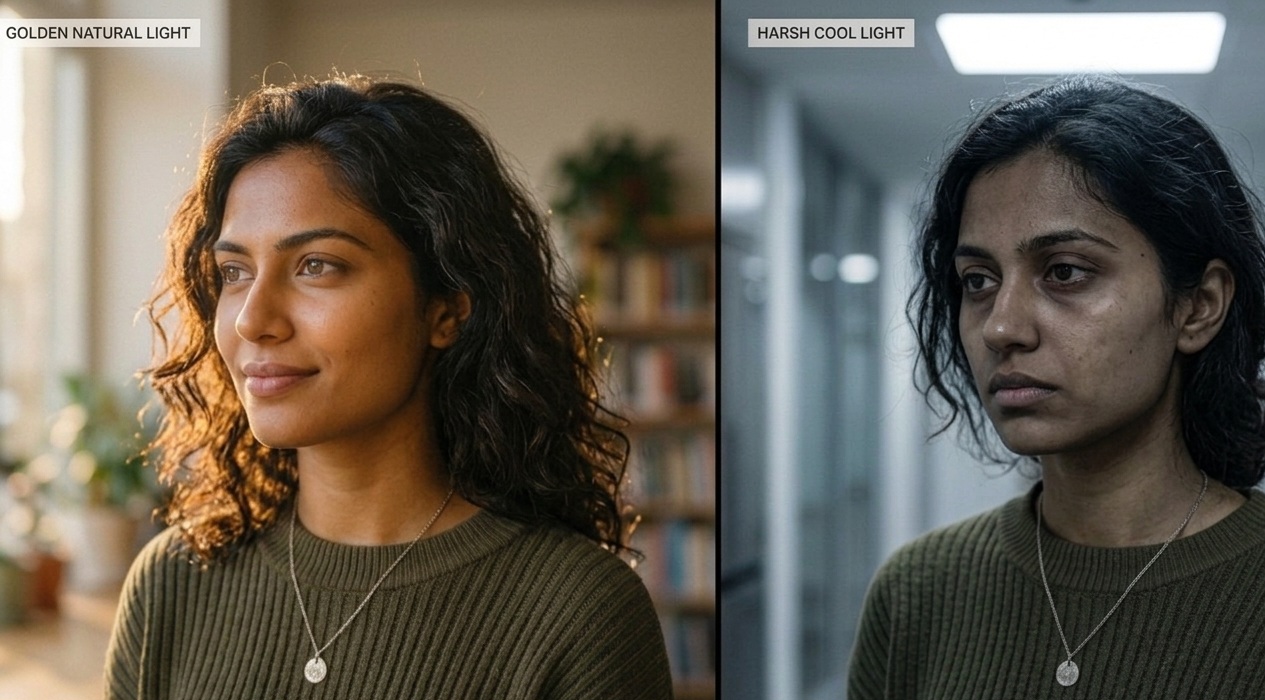
Why You Look Better in Some Lighting and Worse in Others
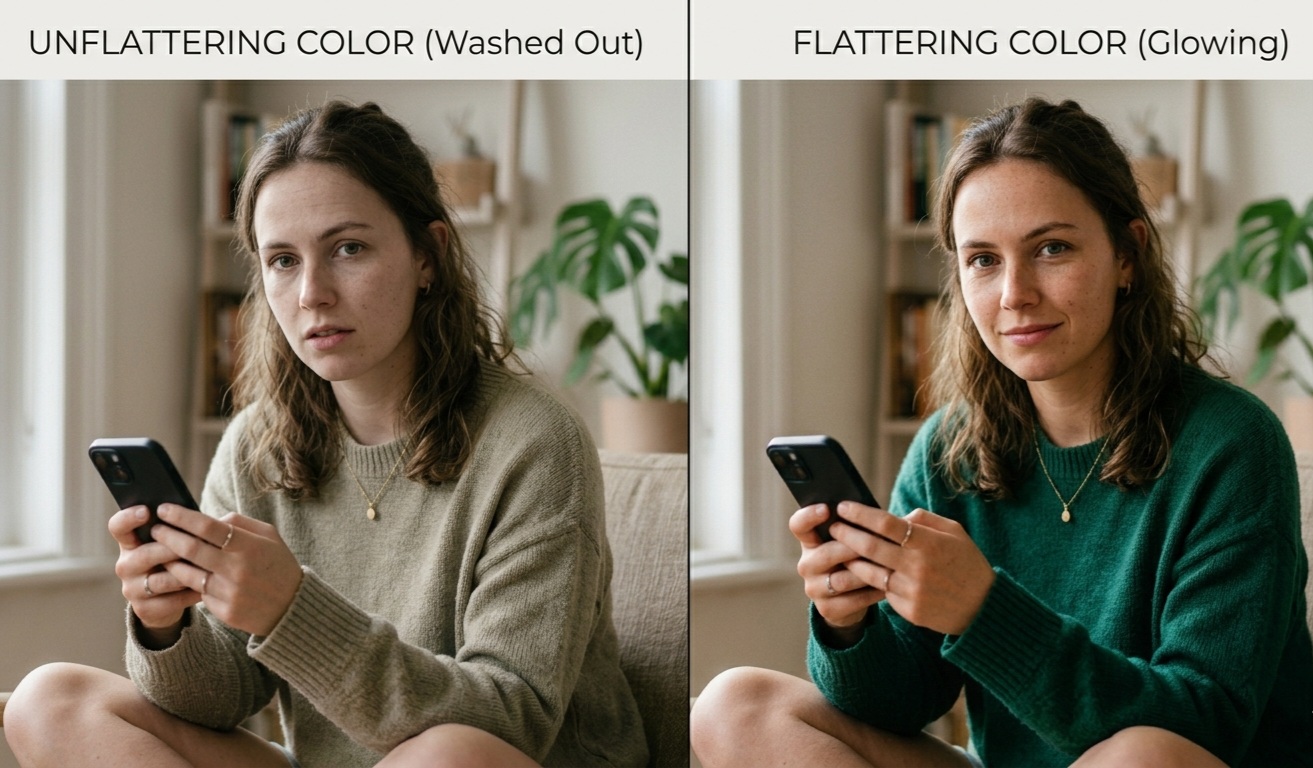
Why Do I Look Washed Out in Photos and How to Fix It
Why Do Bad People Seem to Win in Life?

Why Don’t I Feel Happy About My Pregnancy All the Time?

Why Does My Mind Feel So Heavy During My Period?
How to Dress Better Without Buying New Clothes
Is My Phone Making Me Dumb Every Day?

Why do I look bad in photos ? ( and what's the solution )
© 2026 Femmemalist™. All rights reserved.